
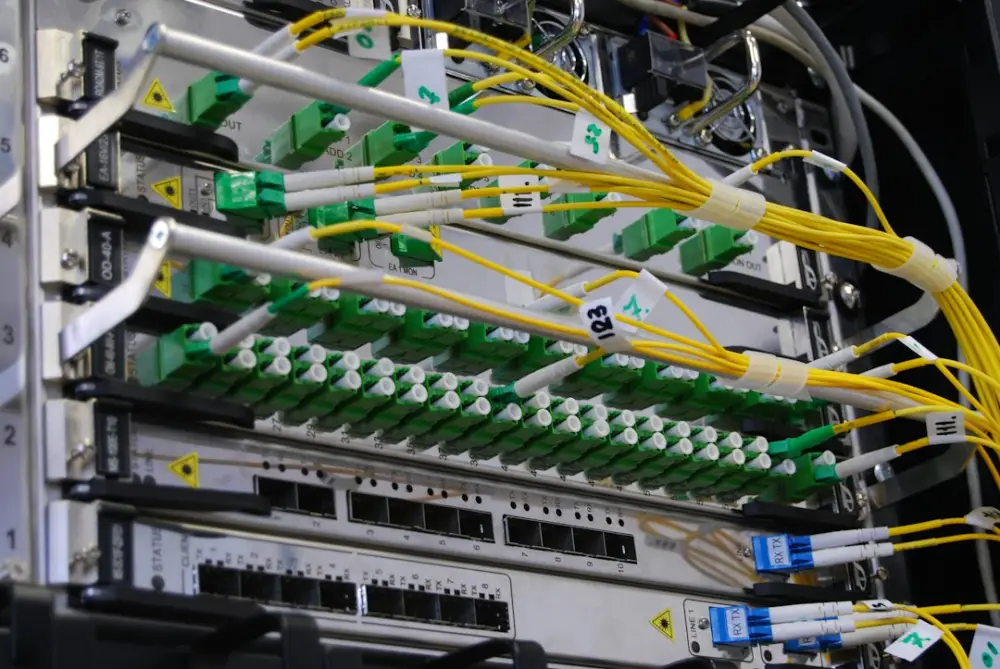
Documenting community connectivity heritage involves recording the physical and social infrastructures that link people together, including historical trails, early telecommunications, and digital networks. This process preserves the evolution of how communities interact, ensuring that the stories of belonging and the technical milestones of local connectivity are maintained for future planning and cultural identity.
Practical documentation often starts with local mapping. Researchers identify where community-led mesh networks were established or where public Wi-Fi kiosks once stood. By archiving these specific locations and the hardware used, like early routers or repurposed antennas, we create a record of how digital equity was pursued outside of traditional commercial ISP frameworks.
What is Community Connectivity Heritage?
This field of study focuses on the artifacts and oral histories of how people have shared information locally. It encompasses everything from the physical copper wires of early telephone exchanges to the wireless nodes of a 2010-era neighborhood mesh network. Connectivity heritage is not just about the hardware; it is about the social agreements and community labor that made access possible.
For example, a heritage project might document the specific configuration of a community center computer lab from 2012. This includes the physical layout of the desks, the specific operating systems used to bypass expensive licensing fees, and the sign-up sheets that regulated access. These items reflect the community's priorities and the creative ways they overcame barriers to entry in the early digital age.
Why Documenting Connectivity Matters
Digital history is prone to rapid erasure. Unlike stone monuments or printed books, the records of our digital infrastructure can disappear when a server is decommissioned or a specific hardware standard becomes obsolete. We are increasingly aware that digital information is more fragile than traditional media, making active documentation a necessity rather than a luxury.
When a local ISP goes out of business or a community network is absorbed into a larger corporate entity, the unique configurations and community-specific software often vanish. Documenting these transitions allows future planners to understand which models of digital inclusion worked and which failed. A concrete example is the archiving of configuration files from early "Every1Online" initiatives, which provide a blueprint for how low-income neighborhoods were first integrated into the high-speed web.
Connection and Belonging in Conscious Cities
The concept of "Conscious Cities" suggests that urban environments should be designed with an awareness of human needs and social health. Connectivity heritage plays a vital role here by highlighting how digital access fosters a sense of belonging. When we document the history of a local library’s Wi-Fi expansion, we are documenting a space where people gathered to find work, communicate with family, and participate in civic life.
In the context of urban design, connectivity heritage projects look at how physical spaces—such as parks, plazas, and transit hubs—evolved to support digital interaction. An example is the study of "shadow networks" in urban centers, where residents shared passwords or extended signals across alleyways. These informal structures demonstrate a community's innate drive for connection and offer lessons for modern architects on how to build more inclusive, connected environments.
How Connectivity Heritage Projects Work
A successful project usually combines technical auditing with oral history. Researchers begin by identifying key sites of connectivity, such as old switching stations or the rooftops of buildings that once hosted wireless relays. They then interview the technicians and community organizers who maintained these systems to capture the human element of the network's operation.
To ensure accuracy, researchers often consult an essential guide to researching with academic databases to find technical white papers or municipal planning records from the era in question. For instance, if documenting a city-wide fiber rollout from the early 2020s, a researcher would collect physical samples of the fiber casing, take high-resolution photographs of the street-level cabinets, and archive the digital maps of the network topology before they are removed from public registries.
Safety Protocols for Field Documentation
Documenting physical infrastructure requires strict adherence to safety standards. When researchers are out in the field photographing utility poles, underground vaults, or rooftop equipment, they must treat these areas as active work zones. This includes wearing high-visibility vests and ensuring they have the necessary permissions from property owners or municipal authorities before beginning any documentation.
Privacy is another critical safety concern. When archiving old network logs or community forum data, personal identifiable information must be redacted to protect the individuals who used those networks. A practical protocol involves using "anonymization scripts" that strip names and specific IP addresses from historical datasets while preserving the general traffic patterns and usage statistics that are valuable for heritage research.
References and Planning Study Resources
Those looking to start a documentation project should look toward municipal archives and planning study reports. These documents often contain the original justifications for digital infrastructure projects and the technical specs that are no longer available on the open web. Resources like the Federal Communications Commission (FCC) historical archives or local university urban planning departments are excellent starting points for verifying dates and technical milestones.
At the Bring the Web Heritage Guide, we focus on the practical preservation of these digital milestones. By documenting community connectivity heritage, we ensure that the lessons of early digital inclusion—from the hardware of mesh networks to the social structures of public access labs—remain accessible to future generations. Our goal is to provide a clear, technical, and social record of how communities built their own paths to the internet, preserving the spirit of independent digital access as a core part of our shared cultural history.